
When people think of chiropractic care, they often imagine hands-on spinal adjustments, clicking sounds, or a firm manual technique. For some patients, that style of care feels comfortable and familiar. For others, the idea of a manual adjustment can feel intimidating, particularly if they are sensitive, nervous, recovering from pain, or dealing with stiffness that makes movement uncomfortable.
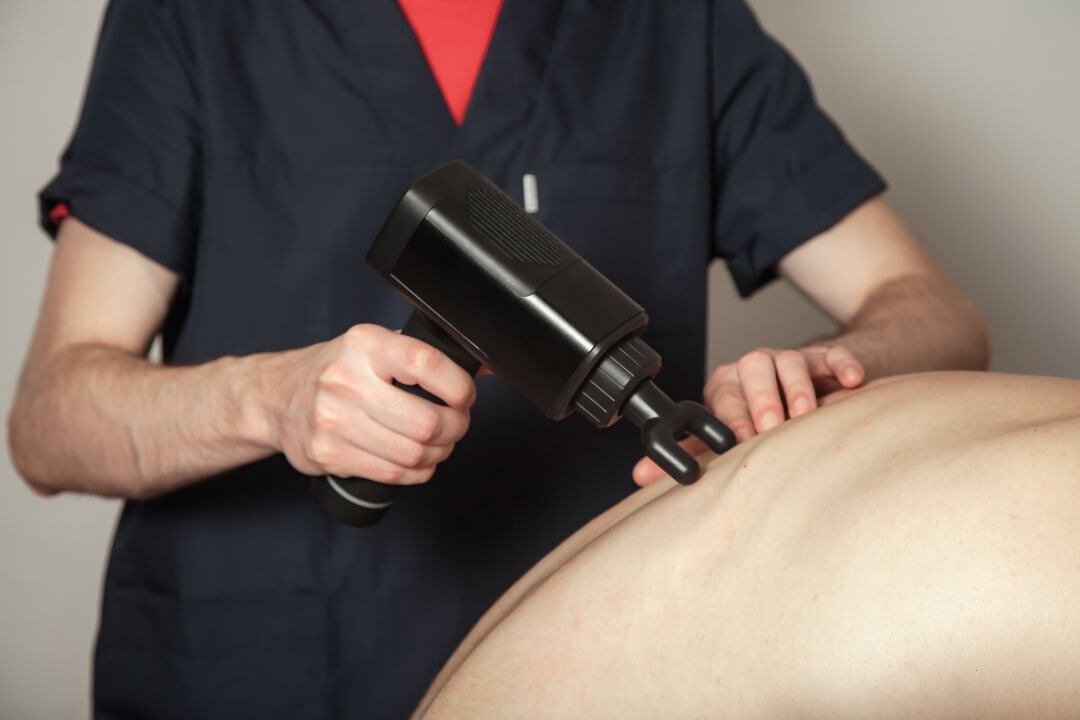
The ArthroStim instrument provides chiropractors with another way to deliver targeted chiropractic care. It is a handheld adjusting instrument used to deliver gentle, controlled, repetitive impulses to specific areas of the spine, joints, or surrounding soft tissues. Instead of relying on one manual thrust, the instrument applies a series of quick, low-force inputs. This allows the chiropractor to work with precision and consistency, often with less force than some traditional manual techniques.
At Back to Basics Chiropractic, the goal is not only to receive treatment but also to understand what is happening in the body. Knowledge helps patients recognise patterns, respond earlier to discomfort, and take an active role in their own recovery. The ArthroStim instrument can be part of that education, particularly for people who want to better understand modern chiropractic tools and how they may support movement, comfort, and function.
What Is the ArthroStim Instrument?
The ArthroStim instrument is a professional chiropractic tool used to assist with adjustments. It is typically described as a mechanically assisted adjusting instrument. This means the chiropractor still controls the direction, contact point, pressure, and clinical decision-making, but the tool helps deliver the adjustment in a measured and consistent way. The manufacturer describes ArthroStim as a mechanically assisted adjusting tool where force, vector, duration, and motion remain hand-controlled by the practitioner.
The instrument is commonly used on the spine, pelvis, neck, shoulders, hips, ribs, and other joints where restricted movement, muscle guarding, or stiffness may be present. The chiropractor places the tip of the instrument on a targeted area, then activates the tool to deliver a rapid series of small impulses.
Many chiropractic sources describe the ArthroStim as delivering around 12 to 14 impulses per second, allowing the force to be broken into smaller repeated inputs rather than one stronger movement.
For the patient, this can feel like a tapping or pulsing sensation. Some people describe it as gentle and rhythmic. Others notice mild pressure at the contact point. It is not usually associated with the twisting, cracking, or popping that some people expect from manual chiropractic adjustments.
How Does the ArthroStim Instrument Work?
The ArthroStim instrument works by delivering quick, controlled mechanical impulses into a targeted joint or tissue area. These impulses are designed to stimulate movement, support joint mobility, and help the nervous system respond to areas that may be stiff, guarded, or restricted.
In simple terms, joints need healthy movement. When a spinal joint or other body joint becomes restricted, the surrounding muscles may tighten, posture may change, and nearby tissues may become irritated. Over time, this can contribute to discomfort, reduced range of motion, headaches, neck pain, back pain, or general stiffness.
The ArthroStim instrument allows the chiropractor to apply a low-force input to a precise area. Rather than using a broader manual adjustment, the instrument can focus on a specific segment, joint line, or tissue region. This can be helpful when a patient needs a more gradual approach or when the chiropractor wants to treat a sensitive area with control.
The instrument does not “fix” the body by itself. It is not a replacement for diagnosis, clinical skill, exercise, posture awareness, or self-care. It is one tool that may be used as part of a broader chiropractic treatment plan.
Why Some Patients Prefer Instrument-Assisted Chiropractic Care
Every patient responds differently to chiropractic care. Some people enjoy manual adjustments. Others prefer a gentler method. The ArthroStim instrument may appeal to patients who feel nervous about traditional adjustments or who dislike the sound or sensation of joint cavitation, often called “cracking”.
Patients may prefer the ArthroStim instrument for several reasons:
It uses controlled force
The chiropractor can control the contact point, angle, pressure, and duration of treatment. This can make the technique feel more predictable for patients who are sensitive to touch or pressure.
It can feel gentler than manual adjustment
Since the instrument applies repeated low-force impulses, many people find the treatment comfortable. Chiropractic clinics commonly describe ArthroStim care as a gentler option for people who prefer not to have forceful manual manipulation.
It allows targeted care
The instrument can be used on small or specific areas of the spine and body. This may help the chiropractor address restricted movement without applying unnecessary force to nearby regions.
It may suit a wider range of comfort levels
Some patients are stiff, guarded, anxious, or sore when they arrive for treatment. A lower-force method may help them feel more relaxed during the session.
It can be used alongside other treatment methods
The ArthroStim instrument may be combined with manual chiropractic care, soft tissue work, stretching advice, posture coaching, mobility drills, or strengthening exercises, depending on the patient’s needs.
What Does an ArthroStim Adjustment Feel Like?
Most patients describe the ArthroStim instrument as a tapping, pulsing, or gentle knocking sensation. The feeling may vary depending on the area treated, the amount of pressure used, and the patient’s sensitivity.
For example, treatment around the upper back may feel different from treatment around the neck, pelvis, or shoulder. Some areas may feel tender if the tissues are already irritated. The chiropractor should explain what they are doing and check your comfort throughout the session.
A typical ArthroStim treatment may involve:
- Assessment of posture, movement, pain triggers, and joint function
- Identification of restricted or tender areas
- Placement of the instrument on the target area
- Short bursts of controlled impulses
- Rechecking movement or symptoms after treatment
- Home care advice, exercises, or maintenance recommendations
At Back to Basics Chiropractic, this fits with a patient education approach. The aim is not just to treat symptoms on the day but to help patients understand why their body may be reacting a certain way and what they can do between visits.
ArthroStim Instrument and Patient Education
Chiropractic care works best when patients understand their role in the process. The ArthroStim instrument can support a treatment session, but long-term outcomes often depend on daily habits, movement choices, posture, strength, stress management, and follow-through with home advice.
Back to Basics Chiropractic takes the view that knowledge is power, but action is where results live. That means patients are encouraged to tune into their bodies, notice problems before they become severe, take part in their recovery through prescribed exercises, and reduce the chance of recurrence through sensible ongoing care.
For example, if a patient has recurring neck tightness, the ArthroStim instrument may be used to assist with joint mobility. Yet the bigger picture may include desk posture, screen height, sleeping position, jaw tension, shoulder strength, breathing habits, or long hours of sitting. Treatment may help calm the area, but patient education helps address the reasons the issue keeps returning.
Common Reasons a Chiropractor May Use the ArthroStim Instrument
The ArthroStim instrument may be used in different ways depending on the patient’s presentation. A chiropractor may choose it when the patient needs a lower-force approach, when a specific joint needs targeted input, or when muscle guarding makes manual adjustment less suitable.
It may be used as part of care for people experiencing:
- Neck stiffness
- Upper back tension
- Lower back discomfort
- Restricted spinal movement
- Postural strain
- Headache-related neck tension
- Rib or shoulder restriction
- Pelvic or hip stiffness
- General joint mobility concerns
- Sensitivity to manual adjustment
This does not mean the ArthroStim instrument is right for every person or every condition. A proper assessment is needed before treatment. Pain can come from many sources, including joints, discs, nerves, muscles, ligaments, inflammation, referred pain, or medical conditions that need different care.
ArthroStim Instrument vs Manual Chiropractic Adjustment
Manual chiropractic adjustments are performed by the chiropractor’s hands. They usually involve a quick, controlled movement applied to a joint. Some manual adjustments may produce a popping sound. That sound comes from gas being released within the joint, not from bones “going back in”.
The ArthroStim instrument works differently. Rather than one manual movement, it delivers repeated mechanical impulses. The chiropractor still decides where and how to apply the treatment, but the instrument provides the pulsing action.
Both approaches may have a place in chiropractic care. The best choice depends on the patient’s condition, comfort level, examination findings, health history, age, sensitivity, and treatment goals.
Some patients may receive only instrument-assisted care. Others may receive a mix of manual adjustments, ArthroStim treatment, soft tissue therapy, mobility work, and home exercises.
Is the ArthroStim Instrument Safe?
For many patients, instrument-assisted chiropractic care can be a comfortable, low-force option when applied by a qualified chiropractor after a proper assessment. The key factor is not just the tool, but the clinical judgement behind its use.
A chiropractor should review your symptoms, medical history, pain behaviour, movement limitations, and any red flags before treatment. In some cases, referral for imaging, medical review, or another form of care may be more suitable.
Patients should tell their chiropractor if they have:
- Recent trauma or injury
- Severe or worsening pain
- Numbness, weakness, or radiating symptoms
- Osteoporosis or bone health concerns
- Cancer history
- Fever, unexplained weight loss, or feeling generally unwell
- Recent surgery
- Pregnancy
- Blood clotting disorders or the use of blood-thinning medication
- Dizziness, fainting, or unusual neurological symptoms
Chiropractic care should always be tailored to the person. A good treatment plan respects the patient’s comfort, health history, and goals.
Does ArthroStim Treatment Hurt?
Most patients find ArthroStim treatment comfortable. The pulsing sensation may feel unusual at first, especially for people who have never experienced instrument-assisted chiropractic care. Some patients may feel mild tenderness during or after treatment, particularly if the area was already irritated.
Temporary soreness can sometimes happen after chiropractic treatment, similar to how muscles may feel after exercise or deep tissue work. This usually settles. Your chiropractor may recommend gentle movement, hydration, stretching, heat, ice, or other self-care steps depending on your condition.
Pain should not be ignored. If something feels too intense during treatment, tell your chiropractor straight away. Treatment can often be modified.
Who May Benefit From a Gentler Chiropractic Approach?
A gentler approach may suit people who want chiropractic care but feel cautious about manual adjustment. This may include office workers with neck stiffness, older adults who need lower-force care, athletes who want targeted joint work, people with acute pain who are guarding heavily, or patients who simply prefer a quieter and less forceful treatment style.
People recovering from flare-ups may also appreciate a gradual approach. When pain is acute, the nervous system can become protective. Muscles tighten, movement becomes limited, and the body may react strongly to pressure. A lower-force method can sometimes help the patient feel safer during treatment.
That sense of safety matters. When patients feel relaxed and informed, they are often more willing to move, ask questions, and take part in their care.
The Role of ArthroStim in a Full Chiropractic Plan
The ArthroStim instrument is not a stand-alone solution. It may support better joint movement and comfort, but lasting progress often comes from combining treatment with practical lifestyle steps.
A full chiropractic plan may include:
- Clear explanation of the likely cause of symptoms
- Chiropractic treatment is suited to the patient’s presentation
- Exercises to improve strength, mobility, or control
- Posture and workspace advice
- Movement strategies for work, sport, or daily tasks
- Recovery guidance after flare-ups
- Maintenance care when clinically suitable
- Education on early warning signs
This reflects the Back to Basics Chiropractic philosophy of helping patients take control of their health. The patient is not a passive recipient of treatment. They are part of the process.
What to Expect at Back to Basics Chiropractic
Back to Basics Chiropractic has cared for Sydney communities since 2001, with clinics in Kogarah and Parramatta. The clinic describes its approach as practical, evidence-based chiropractic care focused on restoring movement, reducing pain, and helping patients return to normal activity without unnecessary intervention.
If the ArthroStim instrument is used during your care, your chiropractor should explain why it has been selected and how it fits into your treatment plan. You can ask questions at any stage, including:
- Why are you using this instrument for my condition?
- What should I feel during treatment?
- How many sessions might I need?
- What should I do after treatment?
- Are there exercises I should do at home?
- How can I prevent this from returning?
Good chiropractic care should make you feel informed, respected, and involved.
ArthroStim Instrument for Neck Pain, Back Pain, and Postural Strain
Many patients seek chiropractic care for neck pain, back pain, headaches, and postural tension. These issues are often linked to daily habits such as long hours at a computer, repeated phone use, lifting patterns, stress, poor sleep position, or lack of movement.
The ArthroStim instrument may be used to help improve joint movement in areas that are not moving well. For example, a patient with upper back stiffness from desk work may receive instrument-assisted treatment to the thoracic spine, followed by mobility drills, posture advice, and strengthening exercises for the shoulders and upper back.
A patient with lower back discomfort may need a different plan. The chiropractor may assess hip movement, pelvic control, core strength, lifting habits, and sitting tolerance. The ArthroStim instrument may be used on targeted areas, but the long-term focus may be building better movement patterns.
This is where patient education becomes powerful. When patients know what contributes to their symptoms, they can make daily choices that support recovery.
Taking Control of Your Health Beyond the Treatment Room
The ArthroStim instrument may help during a chiropractic session, but what happens between visits matters too. Patients can support their own progress by paying attention to early warning signs, moving regularly, following prescribed exercises, and being honest about lifestyle factors that affect recovery.
Simple habits can make a meaningful difference:
- Change position often during desk work
- Keep screens at a comfortable height
- Strengthen weak areas rather than only stretching tight ones
- Avoid pushing through sharp or worsening pain
- Sleep with a supportive pillow positioning
- Build walking or light movement into the day
- Follow the plan given by your chiropractor
- Book a review before a mild problem becomes severe
The goal is not only short-term relief. The better goal is helping your body move well, recover well, and stay well.
Is the ArthroStim Instrument Right for You?
The ArthroStim instrument is a chiropractic adjusting tool designed to deliver gentle, precise, repeated impulses to targeted areas of the body. It may be used as an alternative or complement to manual chiropractic adjustments, particularly for patients who prefer a lower-force approach.
For people who feel nervous about traditional adjustments, the ArthroStim instrument may offer a more comfortable way to receive chiropractic care. For others, it may simply be one part of a broader plan to improve movement, reduce discomfort, and support better function.
At Back to Basics Chiropractic, patient education is central to care. Treatment can help, but understanding your body and taking action between appointments can make the biggest difference. If you are curious about the ArthroStim instrument or want to know whether it may suit your condition, speak with a Sydney chiropractor at Back to Basics Chiropractic and take the next step towards more informed, active care.